




Alabama joins FTC, 19 states in lawsuit against Dollar General over alleged price overcharges
 LIVE NOW
- FTC and 20 states, including Alabama, sue Dollar General for allegedly charging customers more at checkout than advertised shelf prices.
- Dollar General allegedly received thousands of complaints about overcharges but failed to implement adequate safeguards to prevent the unlawful pricing practices.
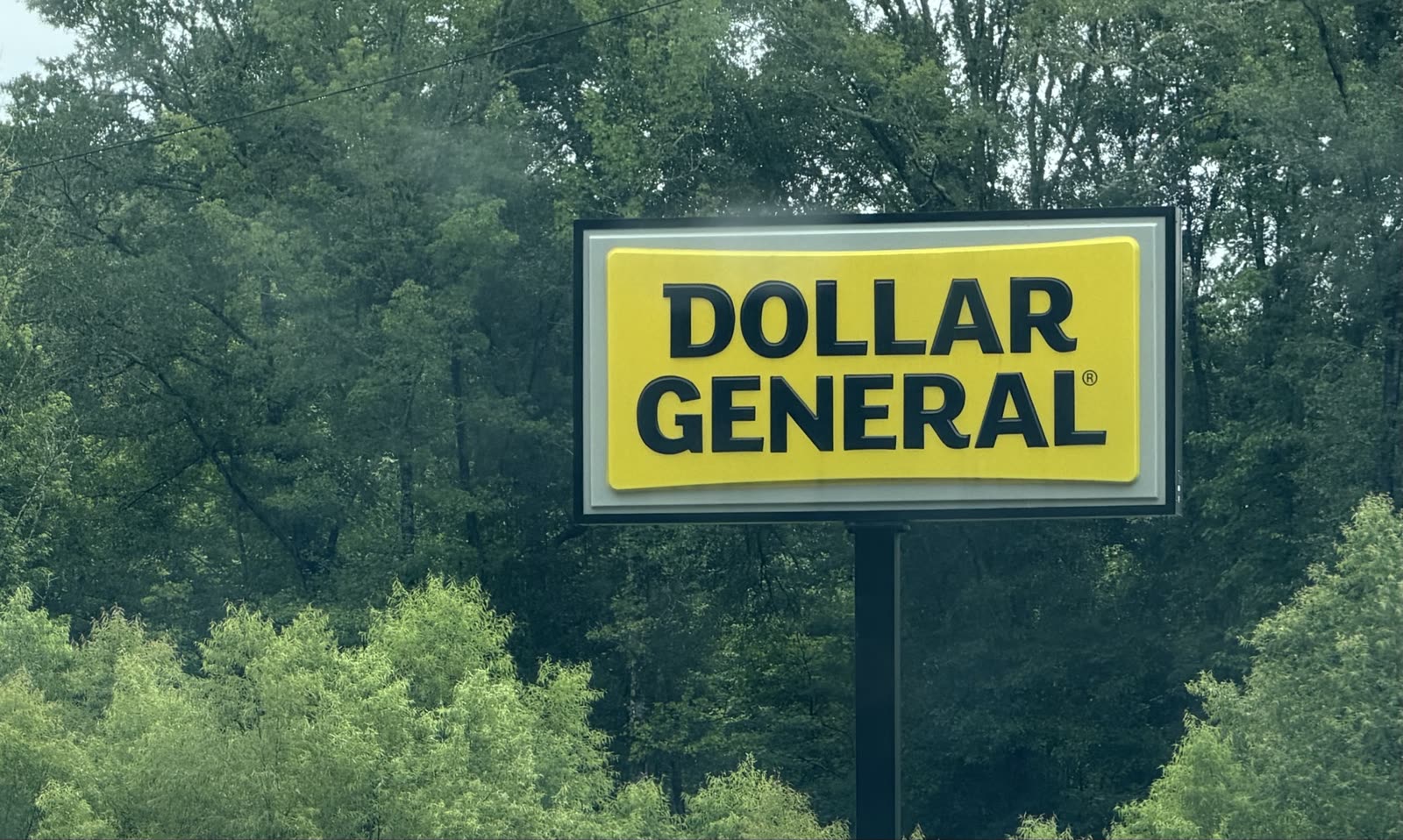
Alabama Attorney General Steve Marshall has joined the Federal Trade Commission (FTC) and 19 other states in filing a lawsuit against Dollar General, alleging the discount retailer repeatedly charged customers more at checkout than the prices advertised on store shelves and price tags.
The lawsuit, announced Tuesday, Oct. 27, 2026, alleges that Dollar General’s pricing practices have cost consumers millions of dollars through unlawful overcharges.
According to the complaint, thousands of Dollar General stores have allegedly overcharged customers, while the company failed to implement adequate safeguards to prevent the problem despite having extensive knowledge of the issue.
The complaint also alleges that Dollar General received tens of thousands of consumer complaints nationwide from shoppers who said the company did not honor advertised prices.
Despite those complaints, the lawsuit claims the company failed to implement sufficient policies and practices to address the issue.
“The price on the shelf is supposed to be the price you pay,” Marshall said. “We believe that Dollar General advertised one price and charged another at the register, and Alabama families who count every dollar were the ones who paid for it. We are joining with nineteen states and the FTC because this isn’t a one-off.”
The FTC and the states allege that the company's practices violate the Federal Trade Commission Act, the Gramm-Leach-Bliley Act and state consumer protection laws, including Alabama’s Deceptive Trade Practices Act.
Alabama is joined in the lawsuit by Arizona, Arkansas, California, Connecticut, Florida, Illinois, Iowa, Kansas, Louisiana, Michigan, Mississippi, Nebraska, New Jersey, North Carolina, Ohio, Oklahoma, Tennessee, Utah and Wisconsin.
The allegations are contained in a civil complaint and have not been established as proven violations in court.
Related stories
 Crime & SafetyLee County deputy resigns amid investigations into alleged inappropriate contact and policy violations
 Crime & SafetyTwo Wadley residents charged under Alabama’s open house party law following hurricane party
 Crime & Safety68-year-old Alabama murder suspect arrested after struggle with Perry County sheriff
 Crime & SafetySecond Alabama train derailment reported Thursday, evacuation issued in St. Clair Co.
 Crime & SafetyKentucky State Police search for Honda Civic with Alabama temporary tag after ‘severe attack’ on law enforcement